The festivals of Sri Shaila
শ্রী শৈলের মহোৎসব
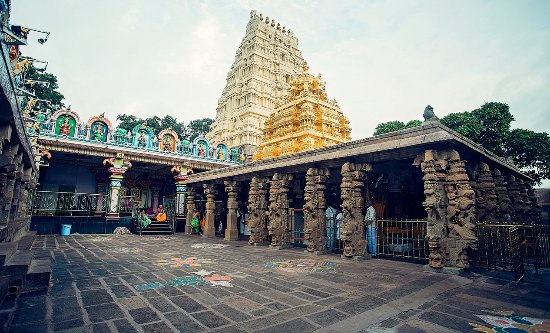
Maha Sivaratri Brahmotsavam
মহাশিবরাত্রি ব্রহ্মোৎসব
The greatest festival of the kshetra — a continuous twelve‑day celebration culminating on the moonless night of Phalguna Krishna Chaturdasi. The Linga Udbhava darshan at midnight is the supreme moment of the year.
Rituals include the Dwajarohanam, the daily Vahana Seva — Adisesha, Hamsa, Rishabha, Mayura and Pushpaka — culminating with the Rathotsavam, when the deities are taken in procession through the streets of Srisailam in a chariot drawn by thousands of devotees.
ক্ষেত্রের শ্রেষ্ঠতম উৎসব — ফাল্গুন কৃষ্ণ চতুর্দশীর অমাবস্যা রাত্রিতে চূড়ান্ত — অবিচ্ছিন্ন বারো দিনের মহোৎসব। মধ্যরাতের লিঙ্গ উদ্ভব দর্শনই বছরের সর্বোচ্চ মুহূর্ত।
আচারের মধ্যে রয়েছে ধ্বজারোহণম্, দৈনিক বাহন সেবা — আদিশেষ, হংস, ঋষভ, ময়ূর ও পুষ্পক — এবং শেষে রথোৎসব, যখন দেবতাগণকে শ্রীশৈলমের পথে রথে নিয়ে যাওয়া হয় — হাজার হাজার ভক্তের টানে।
Dasara Navaratri
দশহরা নবরাত্রি
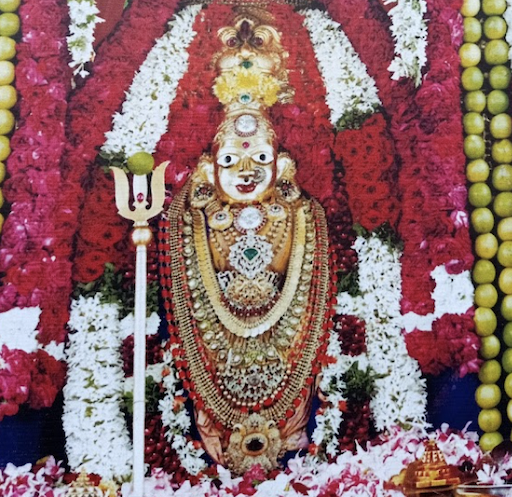
The nine‑night festival of the Devi finds its grandest expression at the Bhramaramba sannidhi. Each night, the Goddess is adorned in a different alankara — as Bala Tripura Sundari, as Saraswati, as Lakshmi, as Annapurna, as Mahishasura Mardini, and culminating as Sri Bhramari Devi on Vijaya Dasami.
Special yajnas — Chandi Homa, Sri Suktam Homa, Lalita Sahasranama Archana — are conducted by the temple acharyas. The Vijaya Dasami procession is among the most colourful spectacles in southern India.
দেবীর নয় রাত্রির উৎসব — ভ্রমরাম্বা সন্নিধিতে এর সর্বোচ্চ প্রকাশ। প্রতি রাতে দেবী ভিন্ন অলঙ্কারে সজ্জিতা হন — বালা ত্রিপুর সুন্দরী, সরস্বতী, লক্ষ্মী, অন্নপূর্ণা, মহিষাসুরমর্দিনী রূপে এবং বিজয়া দশমীতে শেষে শ্রী ভ্রমরী দেবী রূপে।
বিশেষ যজ্ঞ — চণ্ডী হোম, শ্রী সূক্ত হোম, ললিতা সহস্রনাম অর্চনা — মন্দির আচার্যগণ সম্পাদন করেন। বিজয়া দশমীর শোভাযাত্রা দক্ষিণ ভারতের সর্বাধিক বর্ণাঢ্য দৃশ্যের অন্যতম।
Karthika Pournami & Deepotsavam
কার্তিক পূর্ণিমা ও দীপোৎসব
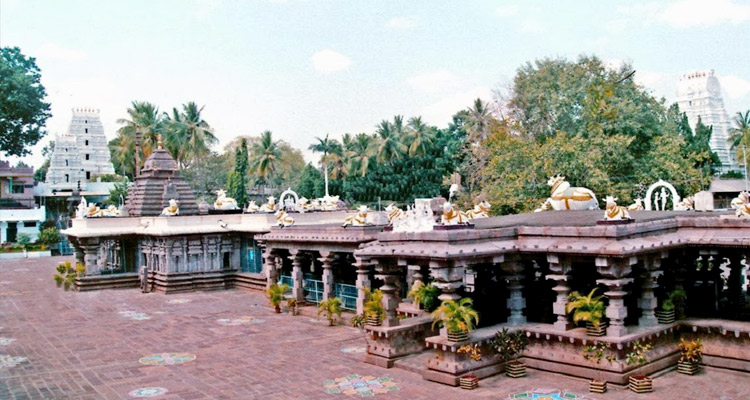
On the full moon of Karttika, a thousand thousand lamps are lit across the prakaras of the temple. The whole hill flames with golden light from sunset to sunrise. Sri Krishnadevaraya is recorded to have offered jewels to the Lord and the Devi on a Karthika Pournami in 1516 CE — a gift commemorated every year in the temple inscriptions.
The Patalaganga is illumined with floating diyas; pilgrims observe the full‑moon snan and chant the Mahamrityunjaya mantra through the night.
কার্তিক পূর্ণিমার দিন মন্দিরের প্রাকার জুড়ে লক্ষ লক্ষ প্রদীপ প্রজ্বলিত হয়। সূর্যাস্ত থেকে সূর্যোদয় পর্যন্ত সমগ্র পর্বত স্বর্ণালি আলোয় উদ্ভাসিত। শিলালেখে উল্লিখিত — শ্রী কৃষ্ণদেবরায় ১৫১৬ খ্রিস্টাব্দের কার্তিক পূর্ণিমায় ভগবান ও দেবীকে রত্ন নিবেদন করেছিলেন; প্রতি বছর সে দান স্মরণ করা হয়।
পাতালগঙ্গা ভাসমান প্রদীপে আলোকিত; তীর্থযাত্রী পূর্ণিমা স্নান করেন ও সারারাত মহামৃত্যুঞ্জয় মন্ত্র জপ করেন।
Ugadi & Vasanta Navaratri
উগাদি ও বসন্ত নবরাত্রি
The Telugu New Year — Ugadi — is greeted with the recitation of the Panchanga at dawn in the temple courtyard, predicting the year's harvest, rainfall and tithis. The nine days that follow constitute the Vasanta Navaratri, dedicated to the Devi as Bala Tripurasundari.
Sri Rama Navami follows on the ninth day, with a special Kalyanam ceremony at the Rama mandapa within the temple complex.
তেলুগু নববর্ষ — উগাদি — মন্দির প্রাঙ্গণে প্রভাতে পঞ্চাঙ্গ পাঠের মাধ্যমে বরণ করা হয় — বছরের ফসল, বৃষ্টি ও তিথির পূর্বাভাস। পরবর্তী নয় দিন বসন্ত নবরাত্রি — দেবী বালা ত্রিপুর সুন্দরীকে উৎসর্গীকৃত।
নবমীতে শ্রী রাম নবমী — মন্দিরের রাম মণ্ডপে বিশেষ কল্যাণম্ অনুষ্ঠানের সাথে।
Krishna Pushkaram
কৃষ্ণা পুষ্করম্
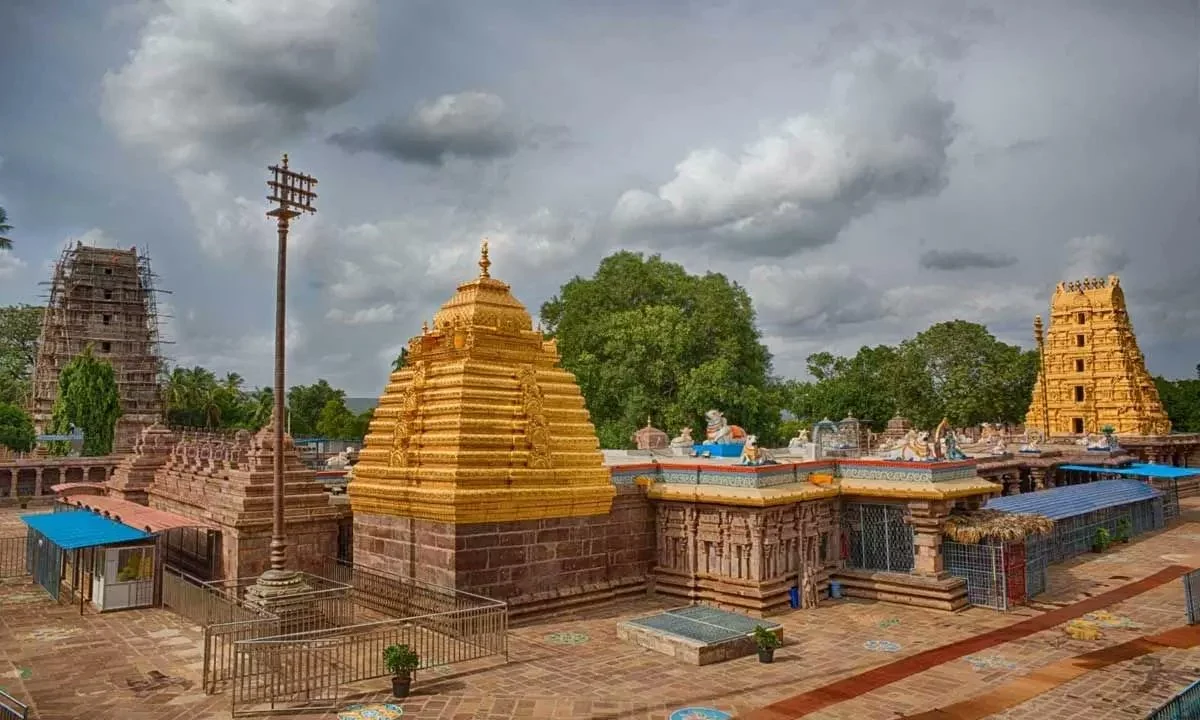
Once every twelve years, when Jupiter enters Kanya rasi, the Krishna river becomes the Pushkar tirtha — its waters charged with the spiritual potency of every sacred river of the land. Pilgrims gather in the millions for the twelve‑day Pushkar snan at Patalaganga.
The Devasthanam organises continuous parayana of the Bhagavatam, Devi Mahatmyam and Rudra Namakam during these twelve days; the riverbanks glow with the lamps of ancestral tarpana offerings.
প্রতি দ্বাদশ বছরে একবার — যখন বৃহস্পতি কন্যা রাশিতে প্রবেশ করেন — কৃষ্ণা নদী হয়ে ওঠে পুষ্কর তীর্থ — তার জলধারা ভূভাগের সমস্ত পবিত্র নদীর আধ্যাত্মিক শক্তিতে চার্জিত। লক্ষ লক্ষ তীর্থযাত্রী পাতালগঙ্গায় বারো দিনের পুষ্কর স্নানে সমবেত হন।
দেবস্থানম্ এই বারো দিন ভাগবত, দেবী মাহাত্ম্যম্ ও রুদ্র নমকম্‑এর অবিচ্ছিন্ন পারায়ণ আয়োজন করে; নদীতীর পূর্বপুরুষদের তর্পণ‑প্রদীপে আলোকিত।